
You may have heard of dental crown which are more commonly known as caps. And what a fantastic description it is, like the caps we wear on our heads dental caps offer many benefits to the wearer.
A dental crown completely covers a tooth that has been broken down due to decay or trauma past a point where it can be repaired with a filling. The crown extends down to where the tooth meets the gum forming a tight seal to prevent bacteria in the mouth from causing further damage.

Firstly, a thorough clinical examination is conducted with radiographs, by the dentist. The suitability for crowns is assessed and any preparatory work is carried out. Your dentist will also be able to advise on material choices, treatment sequence and any other concerns you may have.
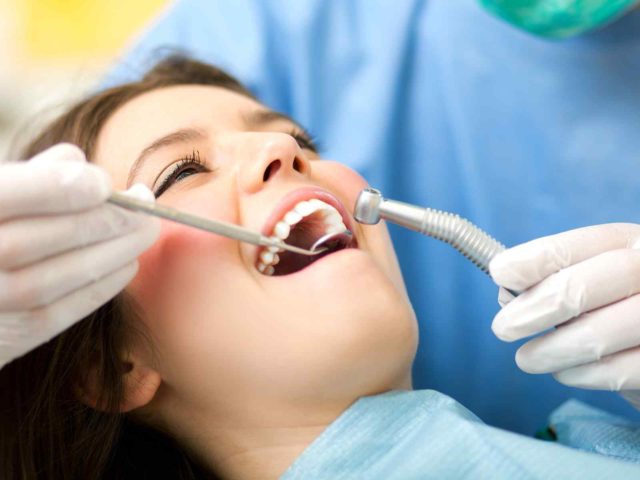
At the second appointment, the teeth to be crowned are prepared. This involves a reduction of the tooth size (usually under local anesthesia) followed by an impression or mold of the prepared tooth. This trimming of the tooth is required to create space for the crown to be fitted. The mold taken is then sent to a laboratory where skilled technicians will fabricate the crown. In the meantime, a temporary crown is made and fitted onto the trimmed tooth.
At the third appointment, the temporary crown is removed and the tooth surfaces cleaned. The completed crown is tried on the tooth for fit, harmony with the bite, and appearance. Finally, the crown is cemented onto the prepared tooth with dental cement.
Crowns can be made from a variety of materials. They can be made from plastic, ceramic or metal alloys. A combination of metal and ceramic is also possible to maximise strength and simulate the appearance of natural teeth.
Crowns are made of inert materials that do not deteriorate over time. However, the underlying tooth is still prone to decay and gum disease.
Ceramic on the surface may chip or fracture. Avoid chewing excessively hard substances like ice or bones. Daily brushing and flossing are essential for maintaining good oral health as well as keeping the crown trouble-free. The most vulnerable portion of the crown is the margin or the junction between tooth and crown.
Regular check-ups will enable your dentist to detect any problems with your crown and recommend necessary treatment.
Book a visit to DentiCare, simply fill out the form below and we will contact you back regarding the intervention you require.
We are a friendly team of dentists, hygienists and receptionists who work together to ensure that you receive the best treatment you require.


Wie waarde hecht aan een heldere, overzichtelijke opbouw, wordt bij novadreamscasino1.com uitstekend bediend. Drop-and-Win-promoties verdelen dagelijks prijzen op bepaalde slots onder actieve spelers. Auto-roulettetafels maken snelle spelrondes mogelijk zonder menselijke dealer. Het platform toont een Hall of Fame met de grootste winnaars van de afgelopen weken. Paysafecard maakt anonieme stortingen mogelijk zonder het opgeven van gevoelige bankgegevens. Taalkiezers maken een snelle wisseling tussen Nederlands en andere talen mogelijk. Het platform werkt onder een officiële gokvergunning van een erkende toezichthoudende autoriteit. Klachten van spelers worden serieus genomen en transparant gedocumenteerd. Speelsessies kunnen naadloos tussen desktop en smartphone worden voortgezet. Ook klassieke gokkasten met drie rollen zijn in het aanbod opgenomen voor liefhebbers van nostalgie. De consistentie in servicekwaliteit pleit voor een serieuze aanbieder.